
2026 5th International Conference on Image Processing, Object Detection and Tracking (IPODT 2026)
The 2026 5th International Conference on Image Processing, Object Detection and Tracking (IPODT 2026) was grandly held on August 21–23 at the Nanhu Campus of Central China Normal University. The conference was sponsored by Central China Normal University, organized by the School of Artificial Intelligence Education at Central China Normal University, and supported by the Hubei Provincial Key Laboratory of Digital Education. The conference adopted a hybrid online-offline format and featured plenary lectures, oral presentations, poster sessions, and networking breaks during coffee breaks. It brought together experts, scholars, and young researchers from universities and research institutions both domestically and internationally to engage in in-depth academic discussions and exchange research findings in cutting-edge fields such as image processing, object detection and tracking, computer vision, and multimodal intelligent understanding.
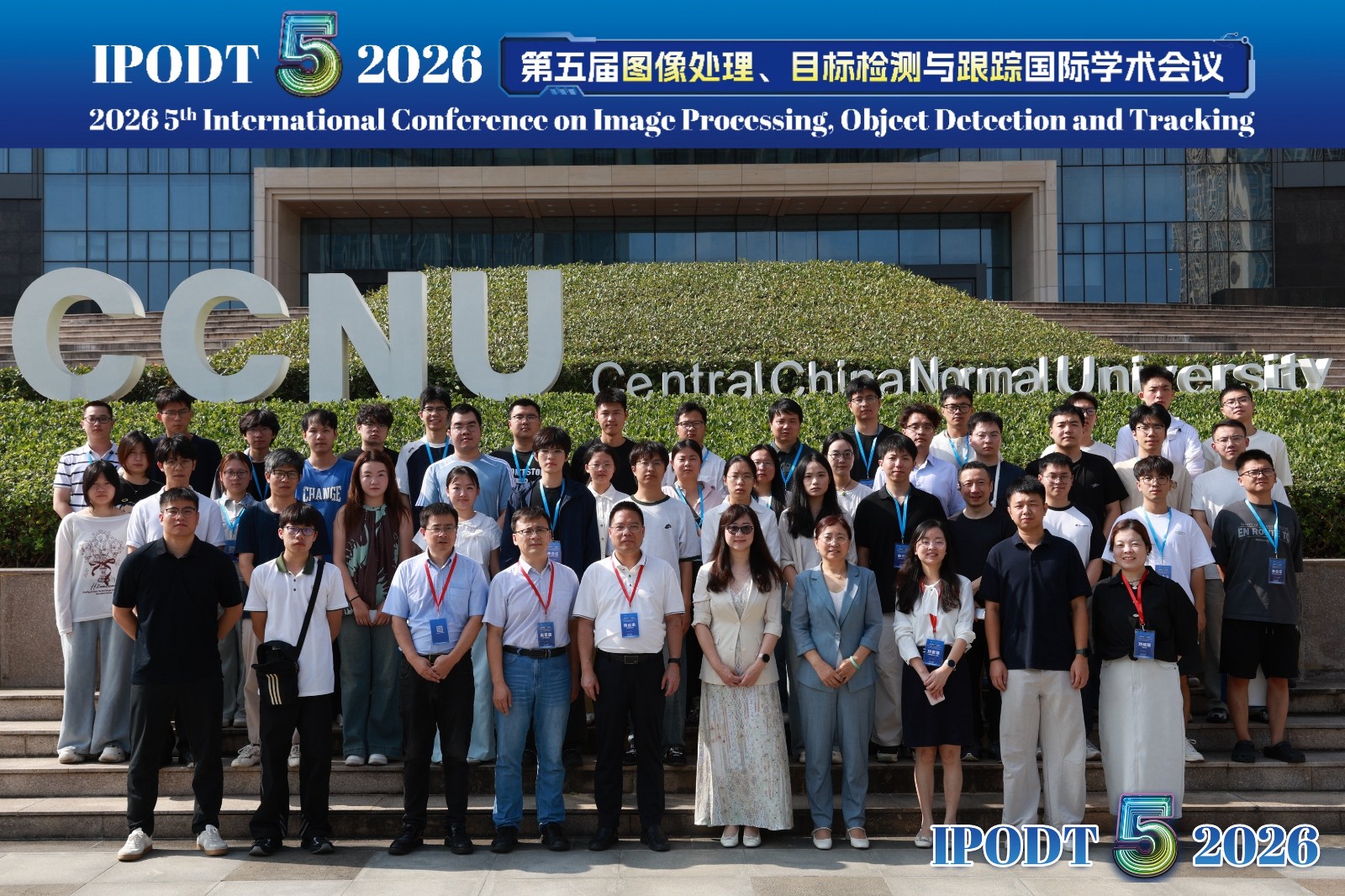
Group Photo
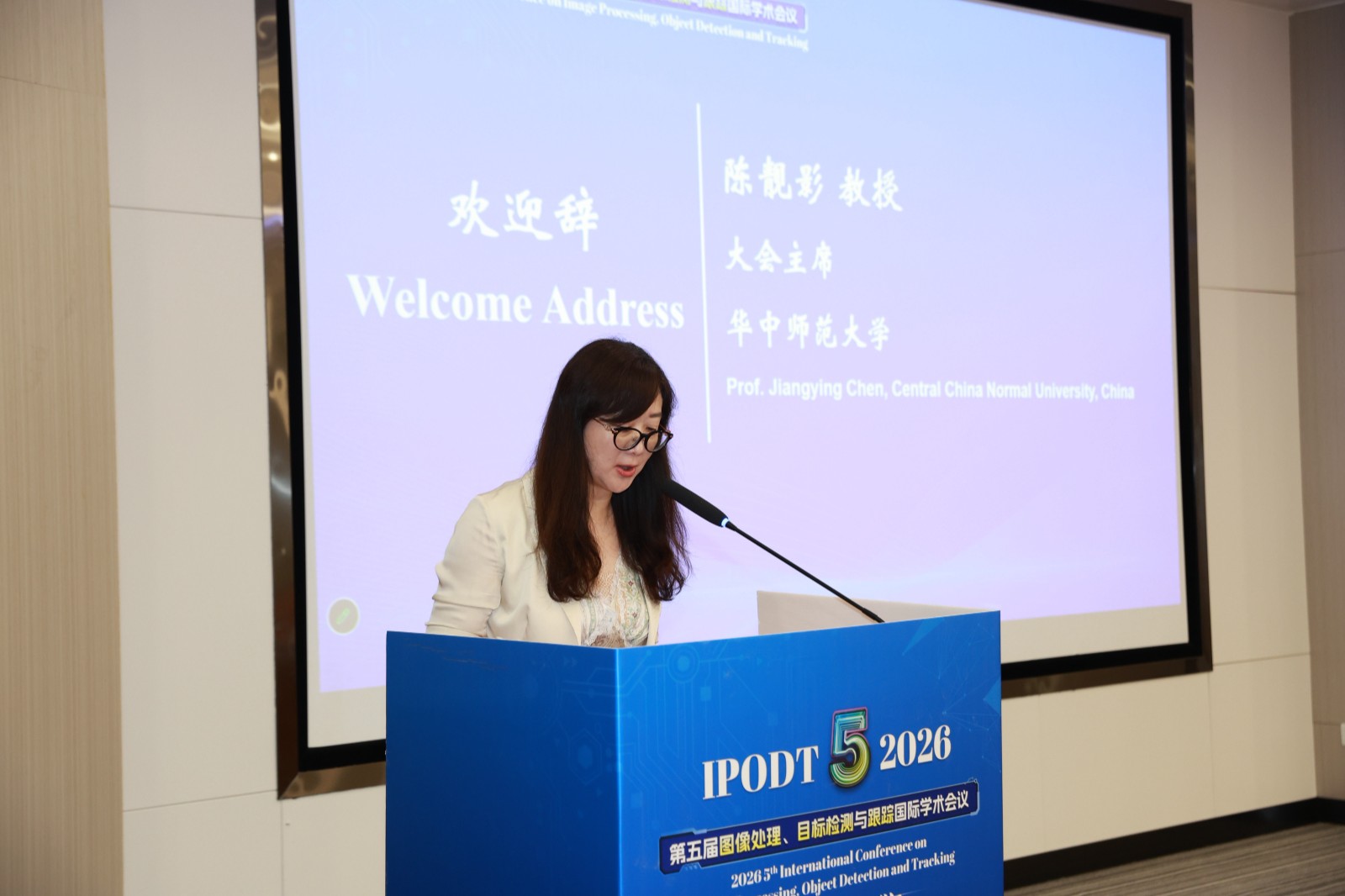
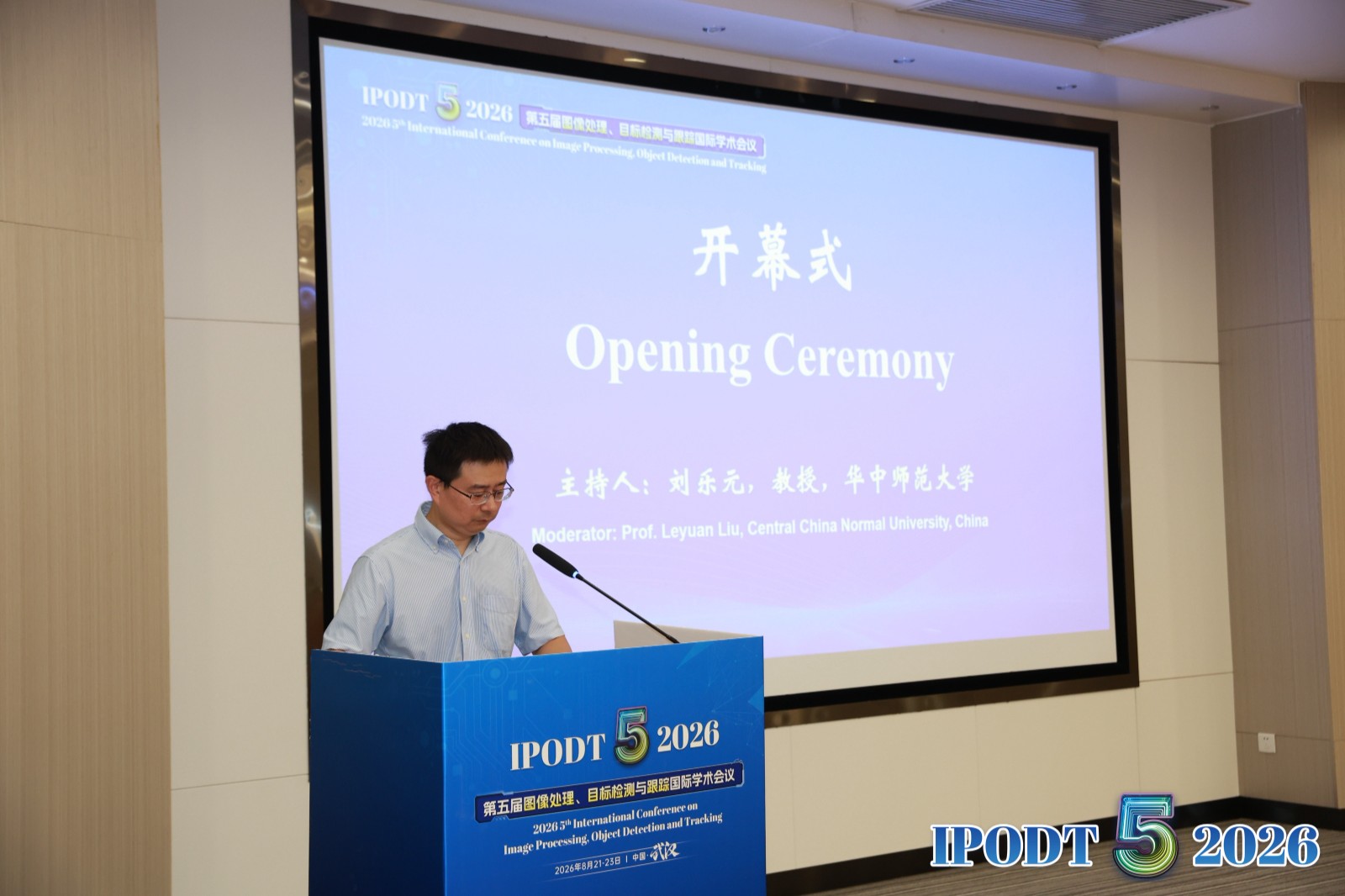
The opening ceremony was held on the morning of August 22 in the multi-function hall on the first floor of the Nanhu Comprehensive Building, with Prof. Leyuan Liu from Central China Normal University serving as the host. Prof. Jingying Chen from Central China Normal University, the conference chair, delivered the opening welcome address. Prof. Jingying Chen extended a warm welcome to the participating experts who traveled from afar and to all online and onsite attendees. She noted that this IPODT conference focuses on key scientific issues in image processing, object detection, and tracking, and aims to build an international academic exchange platform. In line with the interdisciplinary characteristics of the Faculty of Artificial Intelligence in Education, she emphasized the innovative value of computer vision and multimodal perception technologies in smart education, digital humans, special education, and other scenarios. She expressed her hope that the participating experts would engage in thorough discussions, promote two-way empowerment between foundational algorithm research and practical industrial applications, and foster cross-institutional and cross-regional research collaboration as well as the growth of young researchers.
Prof.Jingying Chen |
Prof.Leyuan Liu |
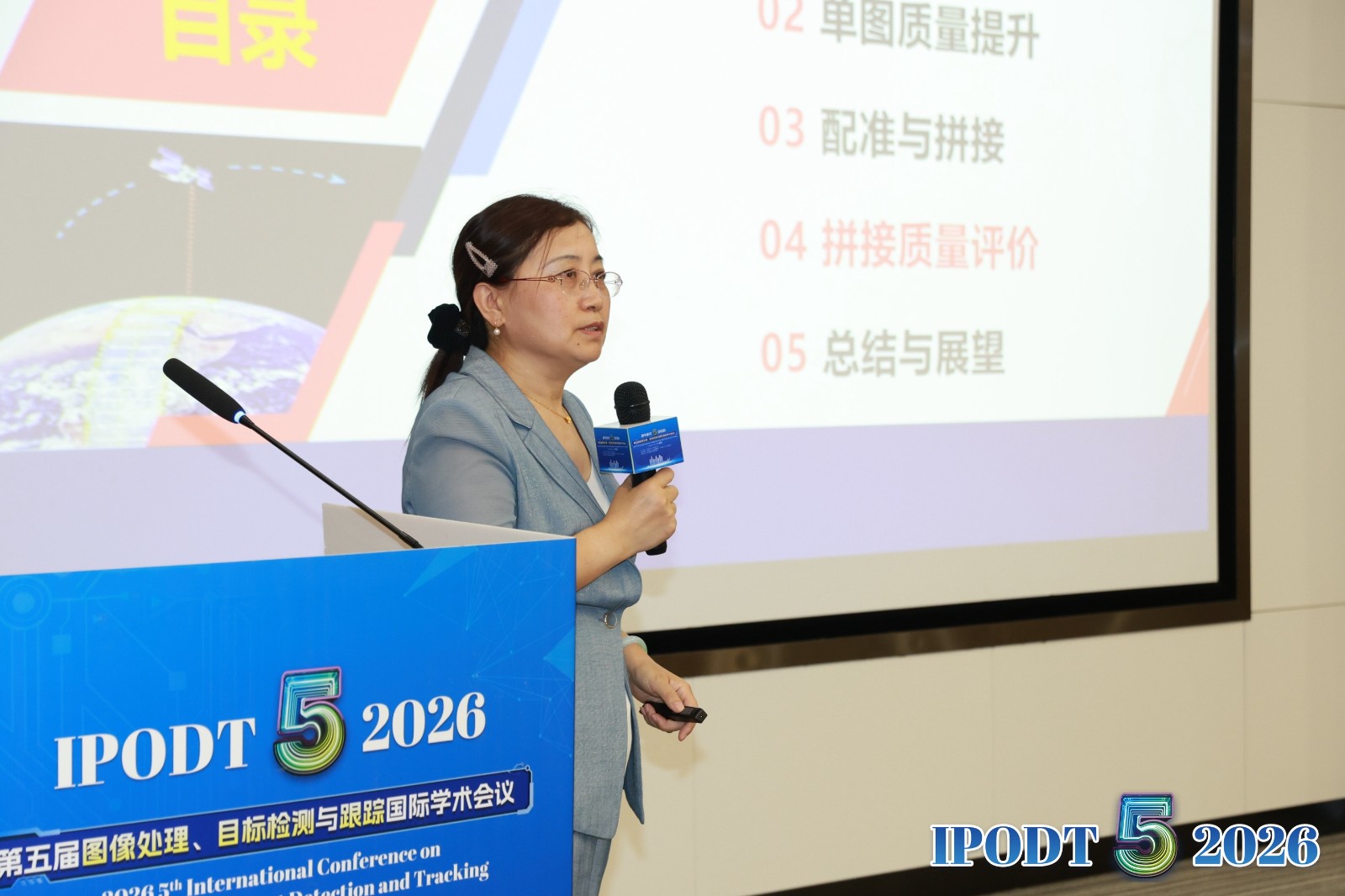
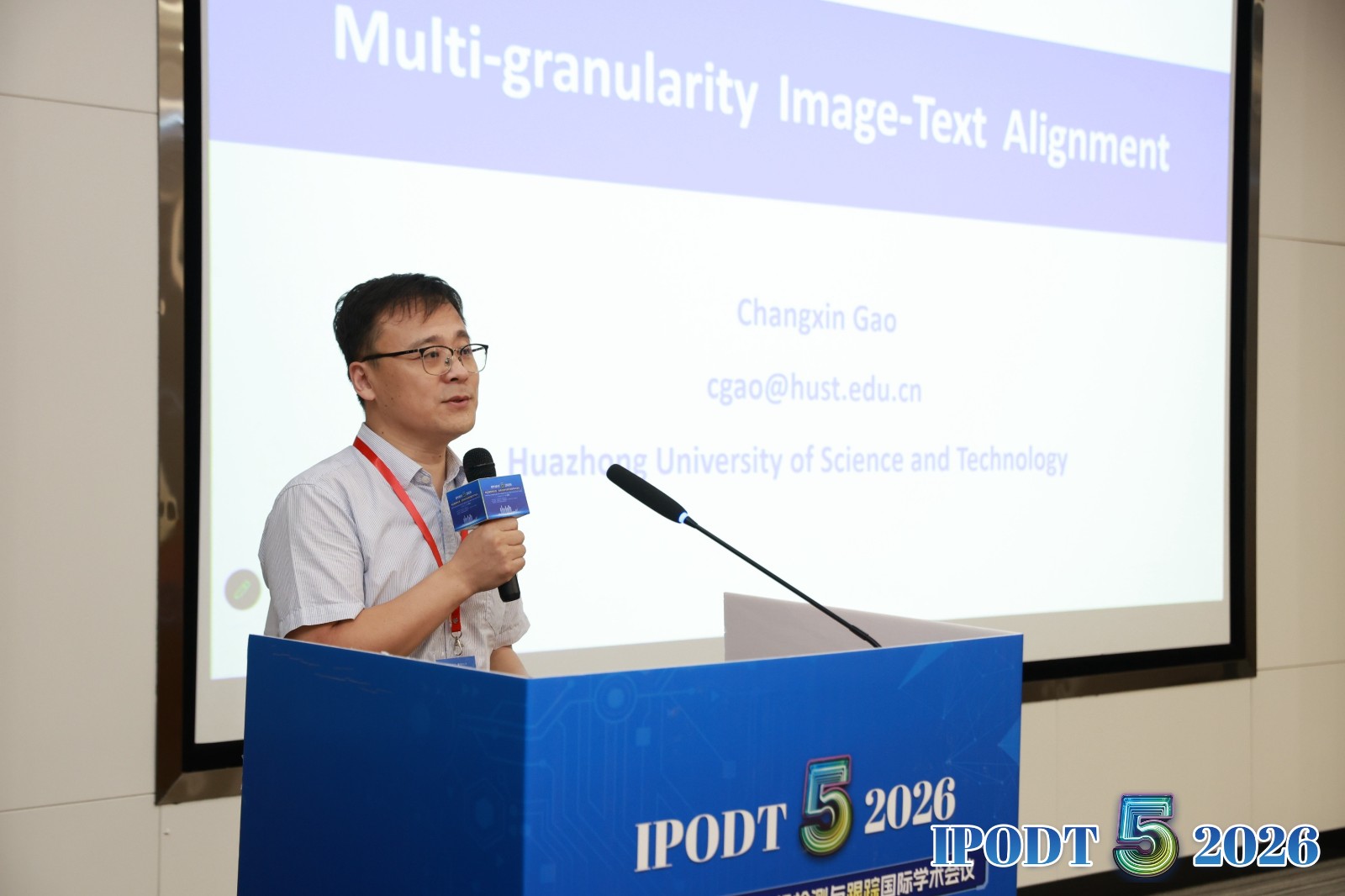
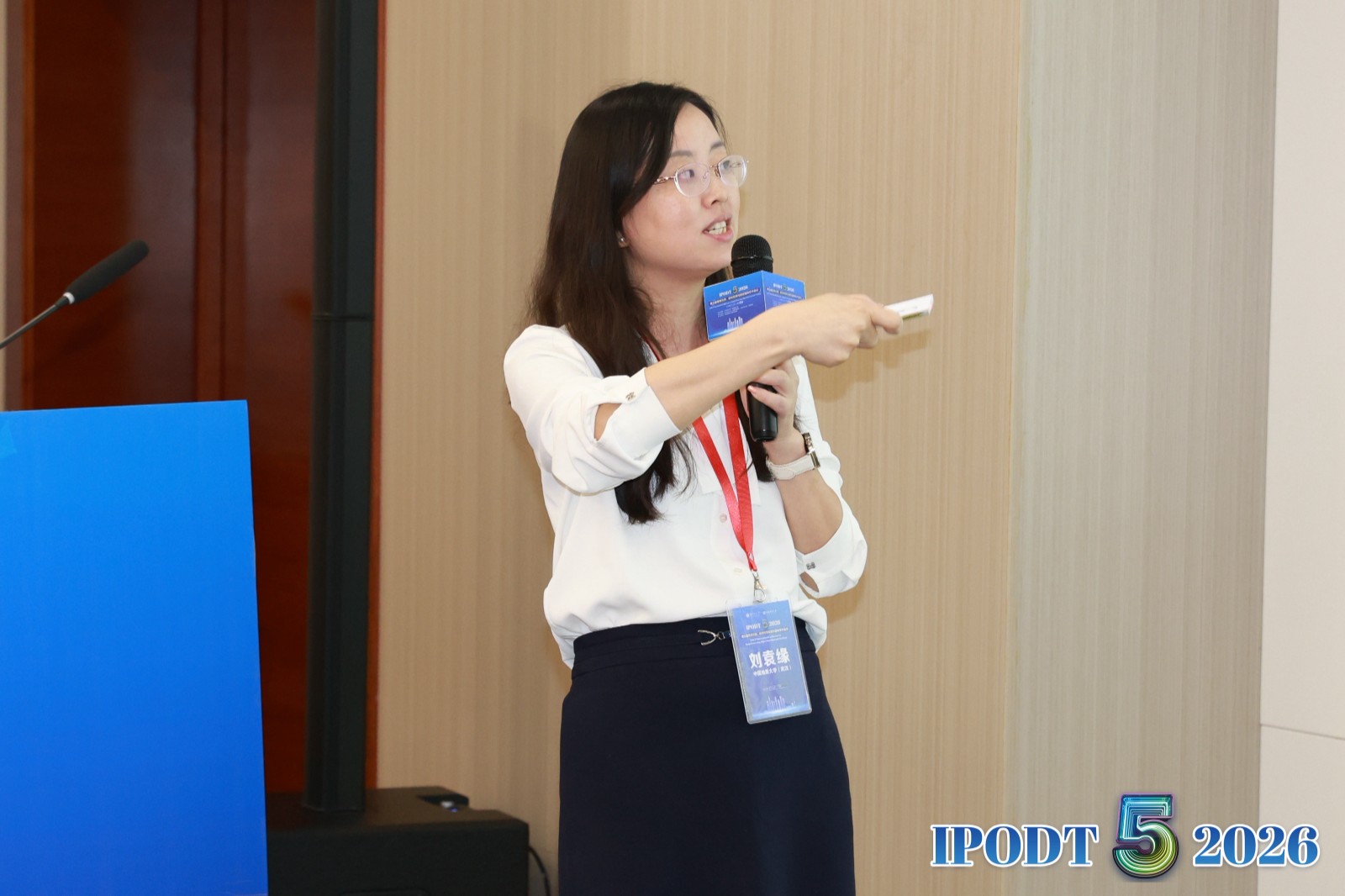
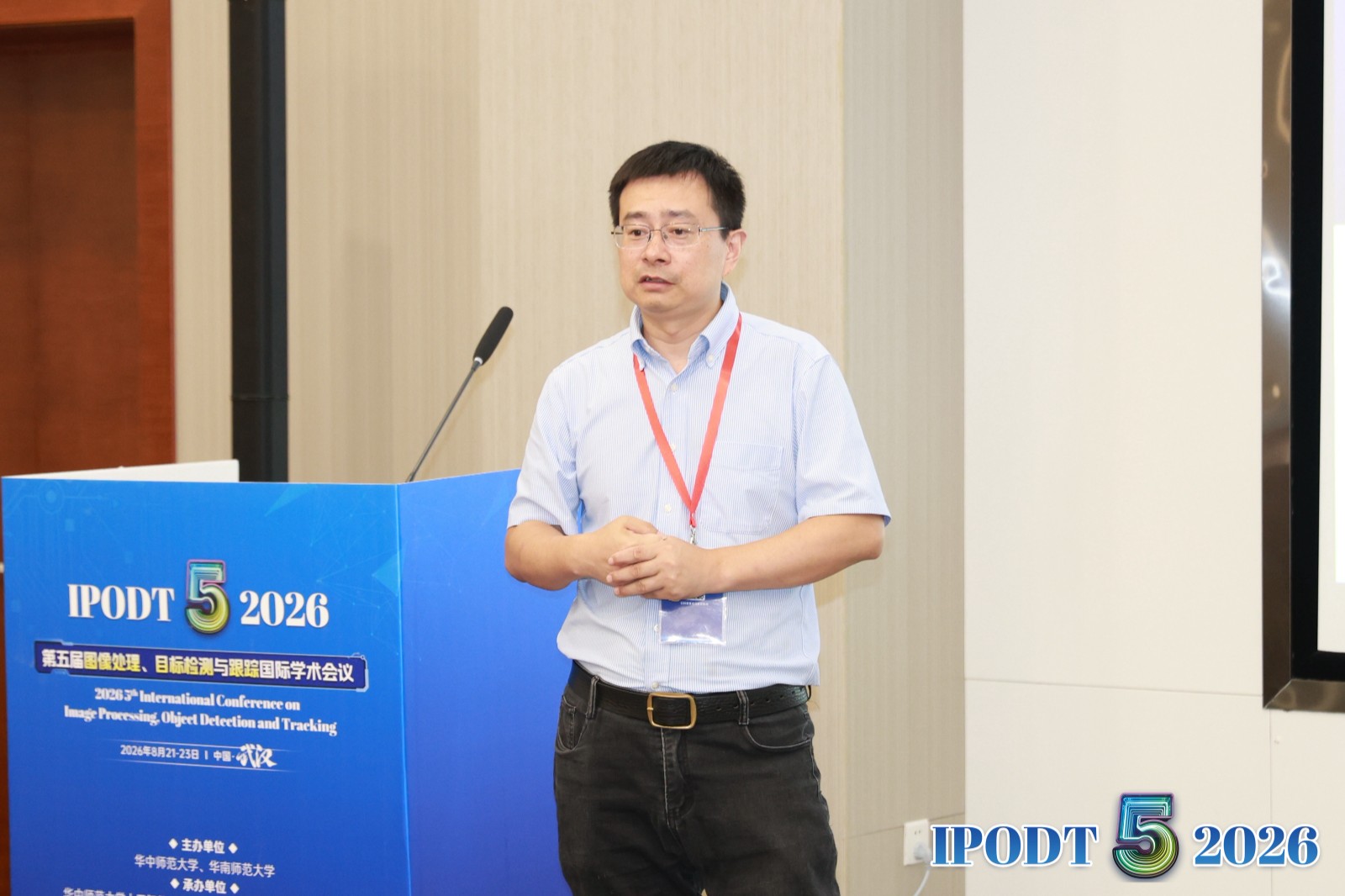
The conference has invited five renowned domestic experts to deliver keynote presentations. Prof. Fengying Xie from Beihang University presents a series of key techniques on high-quality remote sensing image generation for large scenes, addressing challenges such as cloud and fog interference, image registration, and stitching. Prof. Changxin Gao from Huazhong University of Science and Technology focuses on multimodal models, analyzing the technical pathways and future trends of fine-grained image-text alignment. Prof. Yuncheng Jiang from South China Normal University, in the context of educational artificial intelligence, introduces cutting-edge knowledge tracing models based on deep learning and large language models. Prof. Yuanyuan Liu from China University of Geosciences (Wuhan) shares research on visual affective computing in real-world complex scenarios, discussing key technologies including self-supervised representation learning, open-set emotion recognition, and multimodal fusion. Prof. Leyuan Liu from Central China Normal University presents a keynote on high-fidelity 3D digital twin human generation, covering human body and head reconstruction techniques in complex scenes, while also showcasing the application of digital twin technology in human-computer interaction and personalized intervention for special education.
 |  |  |
 |  |
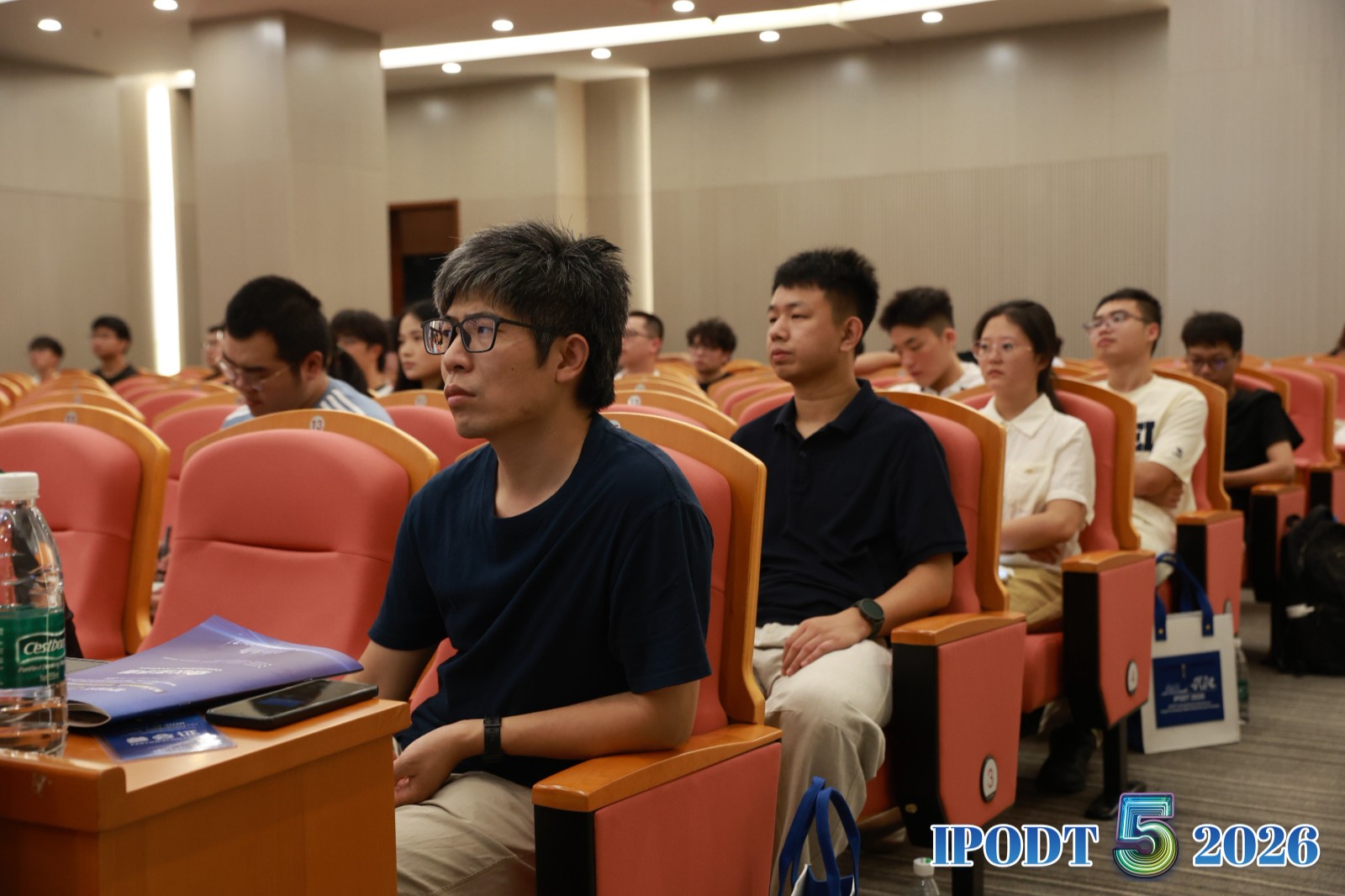
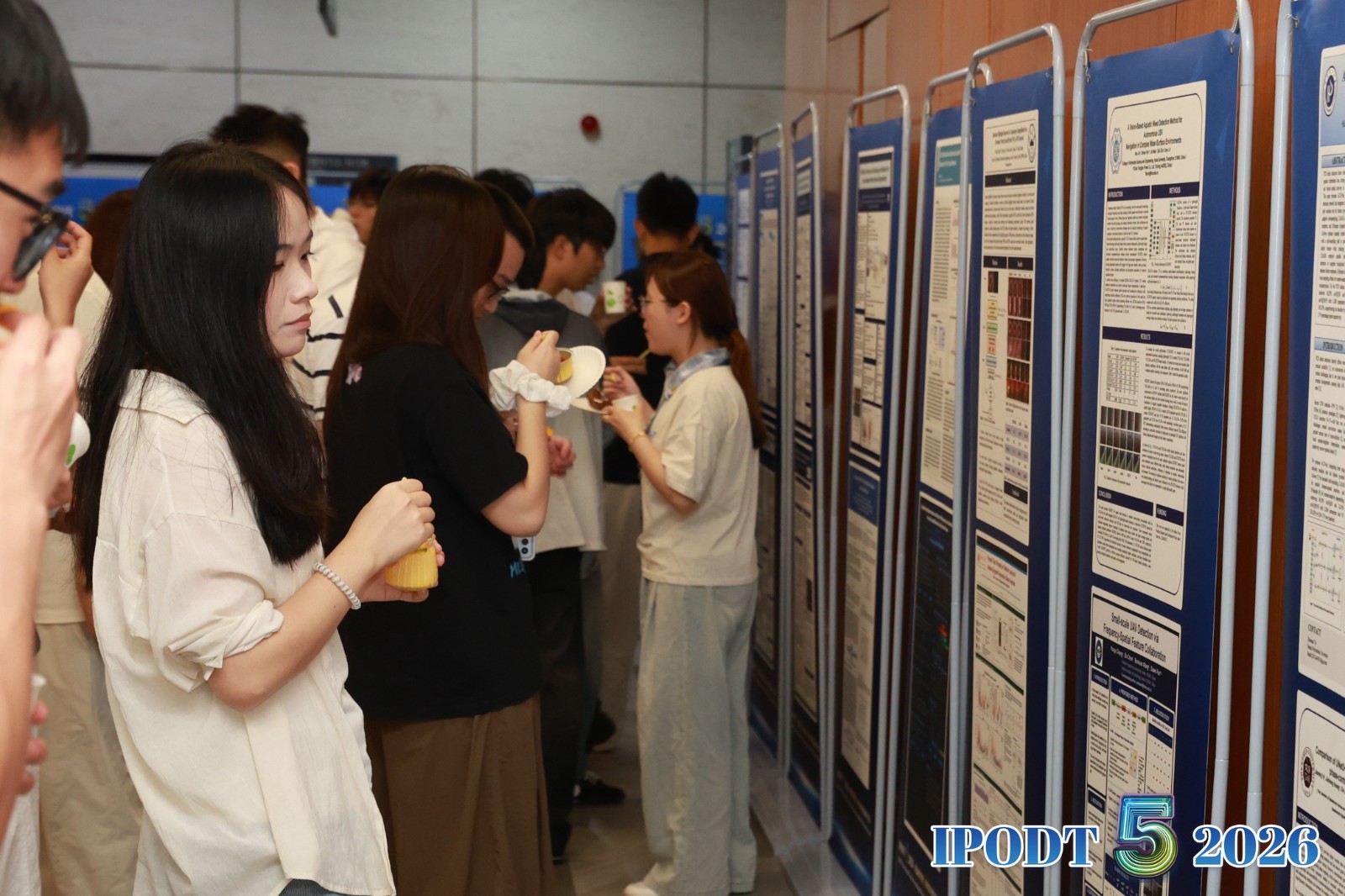
On the afternoon of August 22, the conference featured a session dedicated to oral presentations, where young scholars from universities across the country took turns presenting their latest research findings. The topics covered a wide range of research areas, including lightweight object detection algorithms, spatiotemporal reconstruction from multi-source data, few-shot cross-modal medical diagnosis, LiDAR localization and mapping, industrial defect detection, and cloud removal in remote sensing images. The presentations balanced theoretical and algorithmic innovations with practical applications in industries such as manufacturing, healthcare, remote sensing, and education. A poster session was held concurrently, providing young scholars with a platform to showcase their work and engage in face-to-face exchanges.
As an annual international academic conference, IPODT is committed to building an open academic community for researchers, engineers, and students from both China and abroad. The scope of this year’s conference encompassed not only the fundamental theories of traditional image processing and object detection and tracking but also expanded to interdisciplinary application areas such as multimodal perception, digital humans, educational intelligence, remote sensing interpretation, and industrial inspection. The successful hosting of IPODT 2026 has effectively promoted academic exchange in the fields of image processing and object detection and tracking both domestically and internationally. It has expanded the academic influence of teacher-training universities in interdisciplinary areas of computer vision and injected new momentum into scientific research and innovation, industry-academia-research integration, and the cultivation of young talent in related fields.
 |  |  |